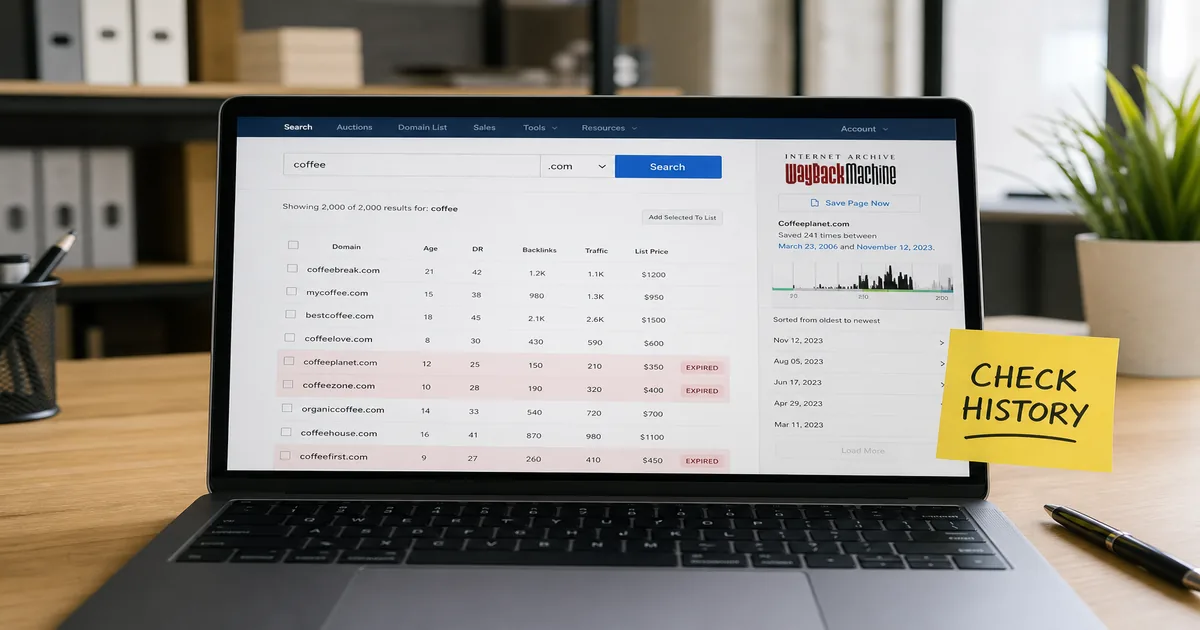
I used to treat expired domains like a slot machine. Buy a drop, pray for backlinks, flip in ninety days. That worked better in 2018 than it does now. In 2026, drop hunting still has a place - but the wins are narrower, the risks are louder, and the investors who survive are the ones who stopped pretending every aged .com is SEO gold.
If you're scanning expired domain drops at midnight, you're not alone. I still do it. But my checklist has changed. Spam history matters more than Domain Authority ever did. Brand risk can erase years of ranking gains. And sometimes the smartest move is to walk past a "perfect" drop because the Wayback Machine tells a story you don't want on your balance sheet.
Here's what still works in expired domain investing this year - and what I stopped doing entirely.
What changed about expired domains since 2020?
Google got better at separating legacy link equity from manipulative footprints. Registrars tightened redemption windows. Drop catchers got more competitive - and more expensive. The easy arbitrage of "buy expired, redirect, profit" got crowded fast.
That doesn't mean expired domains are dead. It means the asset class split in two. On one side: toxic names with spammy histories, pharma redirects, and PBN ghosts. On the other: clean drops with real editorial links, aged trust signals, and brandable strings that startups would pay for even without the SEO angle.
I track both buckets. I only buy from the second.
According to Verisign's Domain Name Industry Brief, .com still dominates registration volume - which also means more drops, more noise, and more competition at the delete queue. The opportunity didn't vanish. The filtering got harder.
When does an expired domain actually help SEO?
An expired domain helps SEO when three things align: clean history, relevant inbound links, and a use case that matches the old site's topical footprint.
I've seen a regional news blog drop with legitimate local citations resurrected as a niche directory - rankings followed within months. I've also seen a "high DA" finance name with hidden casino redirects torch a client's money site in weeks. Same metric on paper. Opposite outcomes.
My rule: if I can't explain the backlink profile to a skeptical client in two minutes, I don't buy it. Run Ahrefs or Majestic, yes - but also read the anchors. Look for foreign-language spam, sitewide footer links, and sudden link velocity spikes right before expiry. Those are not "aged authority." They're liabilities wearing a costume.
Domain Authority is a compass, not a contract. History is the contract.
For project builds - not redirects - I prefer drops where the previous site had a real brand, real content, and links from sources I'd be proud to show an investor. That's rarer than the drop lists suggest. Which is exactly why it still works.
What spam history red flags should you never ignore?
I keep a short list taped to my monitor. Metaphorically. It's that important.
- Pharma or casino redirects in Wayback snapshots - even one year can leave a stain
- Sitewide foreign anchors with no topical connection to your planned use
- Malware or phishing flags in Google Safe Browsing or archive reviews
- Trademark complaints or UDRP filings tied to the prior registrant
- Artificial traffic spikes that look like bot farms, not organic growth
Full disclosure: I bought a "bargain" drop in 2023 with a gorgeous link graph and a hidden Chinese pharma phase in 2019. Recovery took longer than building a fresh domain would have. Lesson learned. Now I spend twenty extra minutes in the Wayback Machine before I bid.
Tools help - but judgment wins. Automated scores won't tell you whether a name feels safe to put on a funded startup's homepage.
What this means for drop hunters in 2026
If you're hunting for SEO value, narrow your targets. Industry-specific drops with editorial links beat generic "high DA" picks. If you're hunting for brand value, ignore DA entirely and focus on pronounceability, length, and clean WHOIS history.
I split my drop workflow into two lanes:
- SEO lane - relevant niche, clean anchors, rebuild with original content (no blind 301s to unrelated money pages)
- Brand lane - short, memorable strings with no toxic use history, priced for resale or development
Names like GripOps.com sit in our curated inventory because they solve an operations story without drop baggage - the kind of clean .com founders want when they're done gambling on mystery expiries. When I want a verified alternative to drop roulette, I browse premium listings instead of chasing deletes.
Our daily drop alerts still matter for investors who know how to filter. The alerts are raw ore. Your diligence is the refinery.
Should you redirect an expired domain or rebuild on it?
Redirecting an expired domain to an unrelated site is the fastest way to turn 2026 into 2012 - in a bad way. Google has seen every trick. Cross-topic 301s, chained redirects, and "link laundering" patterns get discounted or ignored.
Rebuild when the topical fit is real. Redirect only when the destination is a genuine successor - rebrand, merger, or same entity new URL. Otherwise, treat the drop as a fresh start with a head start on trust signals, not a magic backlink hose.
I've had better luck developing a clean drop as a standalone micro-brand, then linking naturally to a parent property, than slamming a 301 on day one. Slower? Yes. Safer? Absolutely.
For process questions - escrow, transfer timing, ownership verification - our acquisition FAQ covers the boring parts that keep deals clean. Drops need the same discipline as premium buys.
Are expired domain auctions still worth the bid war?
Sometimes. Mostly when you've pre-qualified the name and set a hard ceiling. Drop catchers and backorder services have pushed winning bids higher on obvious picks - which means the margin for lazy buyers shrank.
I watch GoDaddy Closeouts and NameJet deletes, but I don't chase every "DA 40+" headline. The names that clear cheap are usually cheap for a reason. The names everyone sees get expensive fast. Your edge is filtering what others skip - short brandables with thin SEO metrics but zero toxicity, or niche editorial drops without sexy dashboards.
According to aftermarket reporting on Domain Name Wire, investor chatter in 2026 keeps circling back to diligence speed - who can vet history faster wins the good drops. AI summaries help. Archive screenshots help more.
When a drop fails my checklist, I don't sulk. I check curated premium inventory for a clean alternative with verified ownership. Boring? Yes. Fewer surprises? Also yes.
I still love the thrill of a good drop. I just stopped confusing excitement with edge. The edge in 2026 is knowing what to skip - and having a curated backup plan when the delete queue disappoints.
Browse current premium inventory or catch up on market insights if you're rethinking your drop strategy this quarter.
- DN Detector editorial